A Complete Guide to ShincoFab’s Precision Sheet Metal Fabrication Services
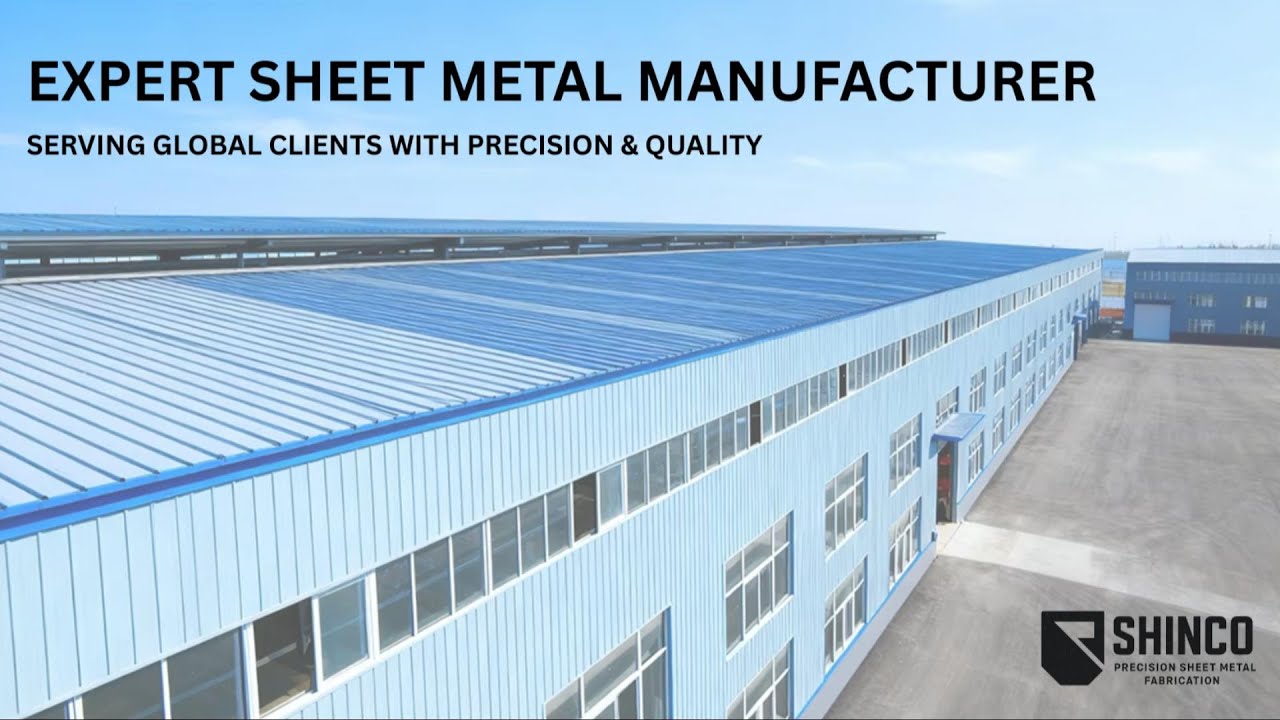
Sheet metal fabrication is an important aspect of contemporary manufacturing. Many products that we use are made out of flat sheets of metal material that go through several shaping stages to become what we need. This may seem quite simple, yet achieving uniform results can be rather complicated and require specialized equipment and expertise. In this article, you will learn more about how ShincoFab approaches precision sheet metal fabrication.
What Sheet Metal Fabrication Involves
In essence, sheet metal fabrication involves cutting, forming, and assembling metal sheets. This is with the objective of converting metal sheets into usable parts with specific sizes and functions. High precision is important to avoid errors that could adversely affect the functionality of the metal parts.
Range of Materials
Differing materials will have to be selected depending on the kind of project being done. Aluminum is typically preferred for its light weight, while stainless steel is preferred for its rust resistance. Carbon steel is another metal that can be used in projects because it is strong. At ShincoFab, we use a wide range of materials to better serve our clients.
Cutting Methods
The very first step in manufacturing any component is to cut the metal to the required dimensions. Laser cutting is commonly used due to its ability to give sharp cuts and deal with complicated designs effectively. Depending on the type of material and the design, ShincoFab employs different types of cutting methods that provide parts with high precision, eliminating the need for further finishing processes.
Bending and Forming
The material selected after cutting is then molded into shape through various bending and forming methods. This is because bending accuracy is highly significant for preventing difficulties during assembly. ShincoFab uses precise angle control in its bending process. ShincoFab uses controlled bending systems to maintain consistent, repeatable angles, even in larger production runs.
Stamping and Punching
If there is a need to create a lot of pieces, then stamping and punching are a quick way to create a repeatable shape. They can be quite effective for ensuring that large amounts of products are all similar to one another. ShincoFab applies these processes when the design and quantity make them the right choice, helping keep production steady and predictable.
Welding and Assembly
After creating the individual parts, they must be brought together. This process includes both welding for secure connections and assembly, which involves combining a few pieces into a whole. Proper jointing and proper alignment are key elements for making sure that the piece is secure and attractive. The welding process involves both manual and automatic processes to ensure consistency in the final product.
Surface Finishing
When fabricating, it’s crucial to finish surfaces. Finishing improves product functionality and appeal, protecting against rust and ensuring a clean look through processes like coating, plating, or polishing. ShincoFab offers a range of surface treatment services, ensuring your components can be used without further processing elsewhere.
Design Assistance
Sometimes success starts even before fabrication begins. Design choices may impact how easy it is to fabricate the component and its functionality. ShincoFab can contribute its expertise during the design phase to help prevent potential problems such as structural weaknesses or complex geometry. This early feedback can reduce the need for changes later.
From Prototype to Production
The usual process for projects starts by developing a few sample products before producing all the products. It involves testing and modification but does not incur high expenses. When the design is finalized, production begins and employs the most cost-effective production techniques. ShincoFab offers services for these two phases of development.
Inspection Process
Uniformity in quality cannot be achieved without inspection. Measurements are inspected during and after manufacturing to ensure that all pieces meet the required measurements. Visual inspections also help verify the uniformity of the surface finish. ShincoFab uses inspection tools and processes to ensure consistent results across each batch.
Delivery and Timeframe
As essential as conforming to specifications, meeting project deadlines must be equally emphasized. Projects such as fabrications may rely on strict timeframes, particularly when components are fabricated for other, larger structures. At ShincoFab, production and delivery timelines are established to ensure projects remain on schedule, helping prevent delays throughout the process.
Conclusion
Sheet metal fabrication involves more than bending metal into specific shapes and sizes. It is rather a multi-step process wherein all stages play a role in ensuring success. Planning is required at each level, from material selection to finishing procedures. Through control and uniformity across all procedures, projects can seamlessly transition from concept to delivery. Understanding how these services operate facilitates project planning and helps avoid common errors.