Exploring Different Types of Wi-Fi Antennas and Their Uses
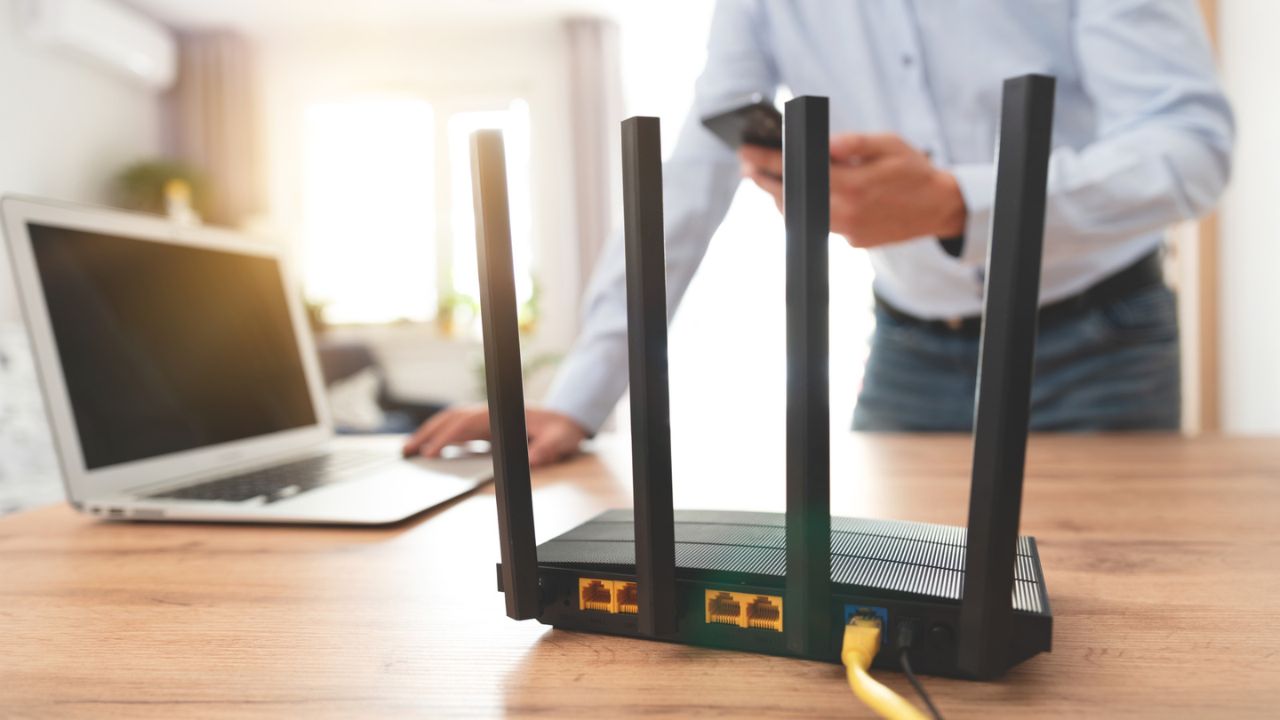
A Wi-Fi antenna is imperative in facilitating wireless communication at home, the office, and industry setups. They can send and accept signals amongst devices to provide a stable internet connection. With the ongoing evolution in wireless technology, there has been an evolution of the various types of Wi-Fi antennas, such as 2.4 ghz wifi antenna. All these are capable of meeting particular requirements on performance and coverage. Other companies like BAT WIRELESS have a large collection of antenna products that are offered to suit a wide variety of uses, from small gadgets to large-scale networks.
Omnidirectional Antennas for Wide Coverage
Some of the most prevalent types of Wi-Fi antennas include omnidirectional. They are built to emit signals in all directions, forming a circular region of coverage. This gives them much suitability in the places where devices are distributed in multiple directions like in the home, office, and the place of worship. Such antennas are common in access points and routers since they offer stable coverage with no need to focus accurately on the coverage. Their performance in covering an extensive area makes them a viable option in terms of providing connectivity that is purposeful in use.
Directional Antennas for Focused Signals
Directional antennas are made to point signals toward one direction, as opposed to an omnidirectional antenna. This focused strategy will enable higher signal strengths and maximum range of transmission along the selected direction. Directional antennas have found application in the industrial world, outdoor systems, and point-to-point systems of communication. They work especially well in linking two points in distance, as it helps lessen power loss and interference in the surrounding areas.
Patch Antennas for Compact Applications
Patch antennas are small, flat antennas commonly utilized in the interactions of today’s wireless devices. Their lightweight design and small size make them desirable to be implemented into other equipment such as routers, IoT systems, and embedded systems. Although patch antennas are small in size, they are capable of good performance over a short distance. They can be applied to interior settings where space is limited and where an unobtrusive, clean design is desired.
PCB and FPC Antennas for Embedded Systems
PCB (Printed Circuit Board) and FPC (Flexible Printed Circuit) antennas are made to be part of the electronic equipment. These antennas are popular with smartphones, tablets, and other small devices. These can provide a solution to space-saving, while still providing an effective wireless performance. In designing flexibilities and offering manufacturers the opportunity to place them in locations maximizing signal reception in small devices, FPC antennas, and particularly, offering these flexibility opportunities. They are necessary in modern electronics, wherein the interior space is small.
Magnetic Mount Antennas for Flexible Installation
Magnetic mount antennas are developed to be installed and reinstalled easily. They are normally fitted with a magnetic base that enables them to be stuck on metal surfaces, thereby making them very versatile. These are the frequently used types of antennas that are often used in temporary installations, cars, or other places where a person needs to move. The flexibility of these enables them to be altered to suit the best reception of the signal, as well as an inexpensive alternative to serve in dynamic applications.
Ceiling-Mounted and Cabinet Antennas for Indoor Systems
Ceiling-mounted and cabinet antennas are typically utilized in a home setting when it is necessary that the coverage is constant and uniformly distributed. Ceiling-mounted antennas commonly occur in offices, shopping centers, and other buildings, where they aid in delivering signals over a wide range. In contrast, cabinet antennas are developed to be incorporated inside equipment or enclosures, ensuring good connectivity, without making a convoluted and cluttered design. Both of these are critical to organized network implementations.
Fiberglass and Outdoor Antennas for Harsh Conditions
Available outdoor Wi-Fi antennas, such as fiberglass, are designed to survive adverse environmental changes. They are made to withstand moisture, change of temperature, and physical wear, which makes them apt for outdoor and industrial applications. The common uses of these antennas include agriculture, construction sites, and large outdoor facilities where good connectivity over a large distance is required. They are long-lasting, and thus they perform uniformly despite being subjected to heavy environments.
Conclusion
The range of Wi-Fi antennas that we can find on the market today is a testament to the diversity of demands of contemporary wireless communication. Omnidirectional antennas for general use, as compared to directional and specialized ones used in specific applications, have their uses. Knowledge of such differences will be used to select the appropriate antenna with certain need with the view to having a good performance along with a good connectivity. With the ever-growing development of wireless technology, the purpose of these antennas will be invaluable in facilitating effective and seamless communication in all spheres.