What is a 3 Phase Changeover Switch and How It Works
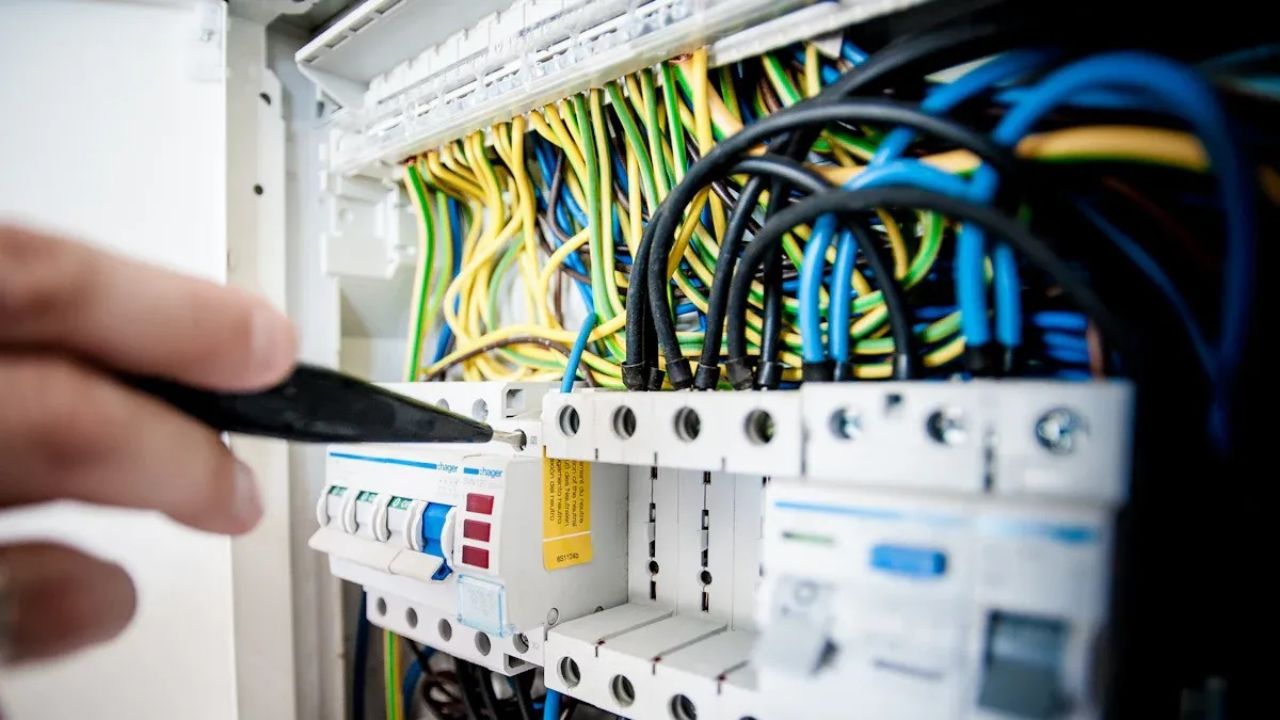
In contemporary electrical systems, constant power is vital in ensuring safety, efficiency, and protection of equipment. Most commercial buildings, hospitals, and data centers have more than a single power source, including utility power and a backup power generator. A 3 Phase Changeover Switch contributes significantly to the safe and efficient management of these sources of power.
Learning about a 3 Phase Changeover Switch
A 3-phase changeover switch is an electrical switching device that is used to switch a three-phase load between two power sources. The most widespread ones are between mains power and a generator or two independent utility supplies. The switch is so designed that the load cannot be fed by more than one source of power at any time, and back-feed or short circuit is avoided.
Three-phase systems are common in industrial and commercial environments, unlike single-phase systems, which are common in residential settings. They offer increased power capacity, efficiency, and smooth operation to heavy equipment like motors, compressors, and large HVAC systems. A 3-phase changeover switch is specially designed to accommodate such larger loads and strenuous working conditions.
The need for a 3 Phase Changeover Switch
Electrical faults have the potential to cause severe effects in industrial usage. Unless the outages are inevitable, the production lines can be stopped, sensitive equipment can be ruined, or safety systems can be compromised. A changeover switch enables the transference of the electrical load to an alternative power supply in case of a failure of the main supply, and does so in a safe and quick manner.
Equally important is safety. A changeover mechanism was not provided, and two power sources might become connected at the same time. This may cause damage to the equipment, fire outbreak, or even endanger the lives of those on duty. A well-constructed 3-phase changeover switch would avoid this risk by making sure there is electrical isolation of power sources.
Primary Elements of 3 Phase Changeover Switch
The normal 3-phase changeover switch comprises a system of contacts, a working mechanism, arc suppression devices, and an insulated casing. The conducting system is the one that carries current and, in most cases, is composed of high-performance materials like silver alloy to make it low-resistance and long-lived.
The working mechanism can either be manual or automatic. Manual changeover switches involve human operators, whereas automatic transfer switches monitor the failure of power and begin to switch automatically without human operator involvement. Inductive loads that are switched need arc extinguishing systems, which are safe to operate and regulate the arc produced. The housing gives the mechanical protection and electrical insulation to the switch, enabling it to work in harsh environments.
The operation of a 3 Phase Changeover Switch
A 3-phase changeover switch works on the principle of disconnection and reconnection of power sources under control. In normal operation, the load will be connected to the main power supply, which is normally the utility grid. Upon the failure of the primary source or its instability, the switch disconnects the load of the source.
When disconnection has been made, the switch will connect the load to the second power source, which is a generator. This procedure has a break-before-make order, i.e., the initial source is completely disconnected prior to the second source being linked. This order is important to avoid overlap of power supplies.
Manual or Automatic Operation
Small facilities or where the ease of operation is desirable would typically use manual 3-phase changeover switches. They are treasured due to their strength, affordability, and maintenance simplicity. In critical applications, automatic changeover switches are common when power is needed on demand to prevent a system crash, as in hospitals, data centers, and telecom facilities.
Both categories are available to comply with international standards and may be chosen according to the requirements of the application, budget, and the automation degree required.
The use of 3 Phase Changeover Switches
There are commonly 3 phase changeover switches that are used in industries. They are used to ensure a steady flow of machine usage in manufacturing plants. They are used in commercial buildings to make them operable in case of electrical and lighting failure, elevators, and safety systems. They play an important role in power distribution panels; they are used to connect several power sources and electrical loads.
Conclusion
A 3-phase changeover switch is a mandatory element in the current power distribution. Safe transfer of electrical loads between power sources provides continuity, equipment protection, and improves the overall system safety. Knowledge of the operation and need of this is beneficial in guiding engineers, facility managers, and buyers into the right decision-making on the design or upgrade of electrical installations. A good 3-phase changeover switch would be a necessity and not an option in a setting where the reliability of power cannot be jeopardized.