Stainless Steel, PP, or Glass: What Material Actually Holds Up When You're Buying Lunch Boxes at Scale
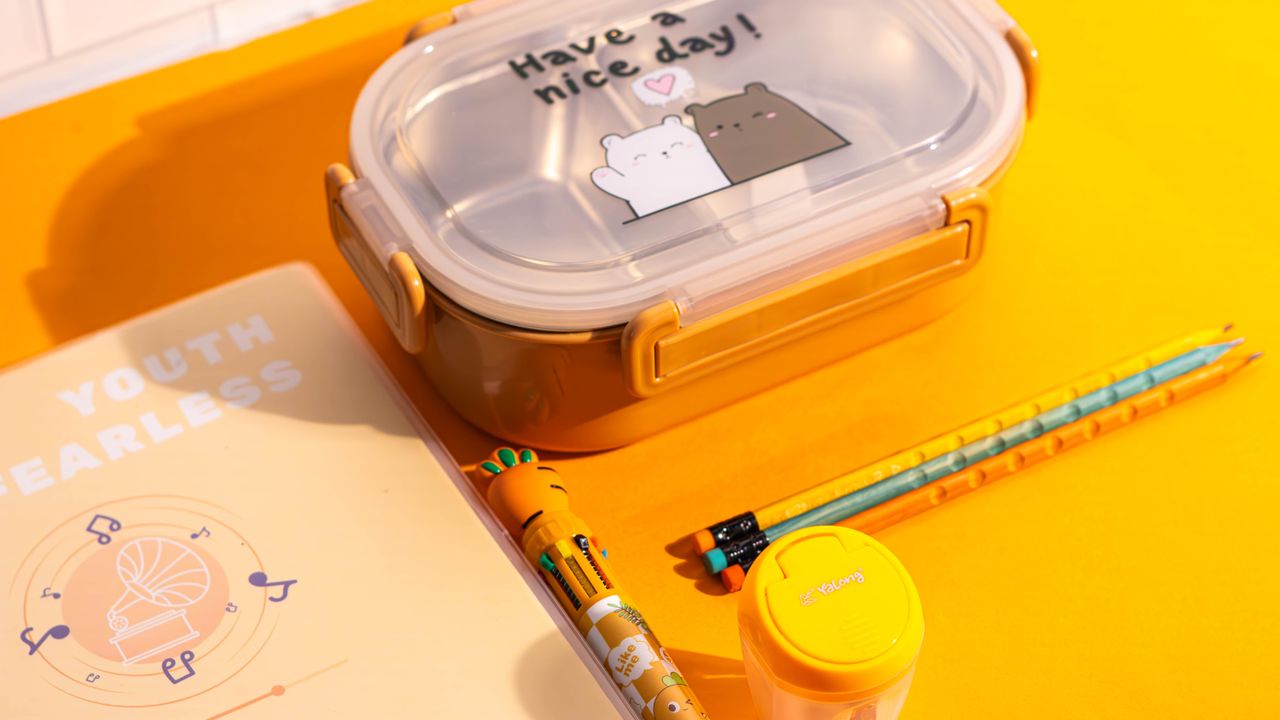
Material selection is one of those decisions that looks simple until the first batch of product is in the field. A lunch box that works fine in a photo becomes a problem in a school cafeteria or corporate break room after three months of daily use, repeated dishwasher cycles, and the occasional drop onto a tile floor. For buyers purchasing in quantity, the material choice has downstream consequences on hygiene maintenance, replacement rates, and total cost that don’t show up in the initial per-unit price.
The three materials that dominate the lunch container market — stainless steel, polypropylene (PP), and glass — each have genuine strengths and characteristic failure modes. Understanding both is more useful than a simple ranking.
Stainless steel: the case for it and the caveats
The main argument for stainless steel in a bulk purchase is durability. A well-made stainless container dropped on a hard floor dents; it doesn’t shatter. In environments where containers are handled quickly, stacked carelessly, or used by people who aren’t particularly gentle with them, the structural resilience of stainless reduces replacement frequency substantially.
Hygiene maintenance is straightforward. Stainless steel is non-porous, doesn’t absorb odors or flavors, and doesn’t stain from tomato-based sauces or turmeric. The surface cleans thoroughly with standard detergents and tolerates commercial dishwasher temperatures without degrading. For food service operations where containers go through a sanitization cycle between uses, stainless handles that process consistently.
The practical caveats for bulk purchasing are worth knowing. Stainless containers are heavier than plastic or glass alternatives at comparable capacity, which matters for applications where portability is relevant — an employee carrying lunch to a desk notices the difference between a 400g stainless box and a 150g PP version. Per-unit cost is higher than PP at equivalent quality levels, which affects the math for programs where loss rate is significant (school meal programs, for instance, where containers get left behind or taken home and not returned).
The other limitation is that standard stainless steel is not microwave-compatible. For office contexts where reheating is part of the use case, this either means providing a separate microwave-safe vessel or specifying a stainless outer with a removable inner tray — which adds cost and a component to clean.
PP (polypropylene): the tradeoffs at volume
PP containers dominate volume-sensitive purchasing for straightforward reasons: they’re lightweight, inexpensive per unit, and available in an enormous range of sizes and configurations. For programs with high loss rates or where the container is effectively a single-use-per-deployment item, the economics work clearly.
The hygiene picture is more complicated. PP is food-safe and doesn’t leach compounds under normal use conditions, but it is porous compared to stainless steel or glass. Over time and repeated use cycles, PP surfaces develop micro-scratches from utensils and cleaning that create areas where food residue and bacteria accumulate more readily than on smooth surfaces. The effect isn’t dramatic in the short term, but over a service life of a year or more with regular use, PP containers develop odors and staining that stainless doesn’t.
For operations using commercial dishwashers, PP container longevity depends heavily on the specific resin grade and the dishwasher temperature. Lower-grade PP at high wash temperatures warps, loses its lid seal, and develops a cloudy surface texture that traps residue. Higher-grade PP (BPA-free formulations with higher temperature ratings) holds up better, but costs more than commodity PP, narrowing the price advantage over lower-end stainless.
The clearest use case for PP at lunch box bulk scale is when microwave compatibility is a hard requirement and budget is constrained. PP heats evenly, tolerates microwave use without issue, and the per-unit replacement cost is low enough that replacing worn-out containers periodically is economically manageable.
Glass: where it makes sense and where it doesn’t
Glass lunch containers have genuine advantages in specific contexts and clear limitations in others. The case for glass is straightforward: it’s completely non-porous, doesn’t absorb odors or flavors, doesn’t stain, is safe for both microwave and oven use, and is visually clean in a way that stainless and PP aren’t — users can see the contents through the wall without opening the container.
For retail-facing products, meal prep subscription packaging, or premium employee wellness programs where the perceived quality of the container matters, glass positions well. It photographs well, it communicates quality, and it performs hygienically at a level comparable to stainless.
The limitation in bulk applications is fragility. Glass breaks when dropped, and in environments with frequent handling or limited attention to care — cafeteria lines, warehouse break rooms, school settings — breakage rates can be substantial. Beyond the replacement cost, broken glass in a food preparation or service environment creates a safety issue that stainless and plastic don’t. For applications where the containers move through multiple hands or are handled quickly, breakage is a real operational consideration, not just a theoretical one.
Glass is also the heaviest of the three materials, and tempered glass containers — the standard for thermal safety in a microwave context — are thicker and heavier than equivalent capacity PP or stainless. For employees carrying lunch plus laptop plus other gear, the weight adds up.
How to think about the decision for a specific program
The right material depends on the specifics of the use case rather than on abstract quality rankings. A few questions narrow the field quickly.
What’s the expected service life? For a one-time corporate gift or event takeaway, the durability difference between stainless and PP is irrelevant — the container won’t be used long enough for the gap to matter. For a food service program running containers through daily cycles for years, the gap is substantial.
Is microwave reheating part of the use case? If yes, stainless is eliminated unless a removable inner tray is acceptable. PP or glass are the candidates.
What’s the handling environment? A school cafeteria or stadium concession operation rules out glass on breakage grounds. An office pantry with a dishwasher and relatively careful adult users is a different context.
What’s the loss replacement cost relative to per-unit purchase cost? For programs where containers go home with users and don’t come back, PP’s low replacement cost may outweigh its shorter service life. For programs where containers stay in-house and are tracked, the lower replacement frequency of stainless may justify the higher initial cost.
There isn’t a universal answer, but the buying error that creates the most problems is selecting on initial price without factoring in hygiene maintenance costs, replacement frequency, and operational fit. A cheap PP container that needs to be replaced twice a year costs more over three years than a stainless container that lasts indefinitely — or it doesn’t, depending on the loss rate and program structure. Running the actual numbers for the specific use case takes ten minutes and tends to change the conclusion.